Beginners Welcome: Start at Condition 1 Combat Center Today
If you have been hovering over the search bar typing martial arts classes near me, then closing the tab, you are not alone. Plenty of new students walk into Condition 1 Combat Center with that same knot of questions in their stomach. Am I fit enough to start? Will I slow the class down? How do I choose between kids, adult, or family martial arts classes? The honest answer: the first step is the toughest, and the second step, showing up again, is where momentum builds. Condition 1 is built for that second step.
I have helped thousands of first-time students get started across different facilities, including those who swore they lacked coordination, stamina, or confidence. The common thread in their success was not talent or background. It was structure, safety, and a coaching culture that treats beginners as the priority, not a distraction. That is what you will find at Condition 1 Combat Center in Spring, TX.
What a real beginner class feels like
Your first session will not be a trial by fire. You will check in, sign a short waiver, and meet a coach who asks about your goals and any old injuries. Respect matters on day one, and so does pacing. Expect a short warmup tailored for real bodies: joint prep for ankles, hips, and shoulders, light cardio to raise your temperature, and basic movement patterns. You will partner up for drills, but the coach will slot you with someone who understands you are new. Nobody throws you into competitive sparring without months of prep, and nobody shouts instructions from across the room and leaves you to sink or swim.
Technique blocks run in small chunks. You might learn a stance and a step, a jab or palm strike, then a simple defense and retraction. Coaches look for clean lines rather than force. The first goal is control and balance, not speed. You will finish with cooldown and breathing, and the coach will recap the one or two key skills you practiced. That sequence, repeated and varied, is how new students build competence faster than they expect.
Safety is not just a rule, it is a habit
Beginners worry about getting hurt. Coaches worry about that too, which is why good schools turn safety into a habit. At Condition 1, attention to detail prevents most common training hiccups. The floor is cleaned regularly, partners are matched by size and experience, and equipment is checked before class. Students learn how to tap early when drilling submissions, how to catch a kick safely, and how to reset when a drill breaks down. Newcomers are reminded to hydrate and pace themselves. You will hear this often: perfect reps over fast reps, quality over volume. That mindset cuts injuries and builds confidence.
I have seen what happens when beginners are tossed into advanced flows. Technique gets sloppy, and people compensate with strength. Someone tweaks a shoulder, and they vanish for months. Done right, beginner sessions slow the frame rate. The result is a cleaner baseline that supports every style you try later.
A quick look at program paths
Condition 1 Fitness classes in Spring TX, through Condition 1 Combat Center, are designed with entry points for different ages and goals. Think practical skill-building layered with cardio and mobility, not a random workout of the day in gloves. If you are deciding between options, read the notes below and match them to what you want out of training.
Kids martial arts classes focus on fundamentals, coordination, and character. Expect short drills, lots of movement games, and lessons about respect, listening, and personal space. Parents will see a measurable change in posture and self-control within a month. Early attention to stance and footwork pays off for years.
Adult martial arts classes blend technique with conditioning. Sessions often pair striking or grappling skills with meaningful strength and stability work. You will leave sweaty, but the purpose behind each movement is clear. There is no filler.
Family martial arts classes keep parents and kids on the mat together. I have watched more than one parent find their own motivation by jogging alongside their child in pad drills. The payoff is time together that is active and memorable. It also makes practice at home more likely, since you both know the same drills.
After school martial arts classes are structured for pickup schedules. Students start with a snack and homework window at many facilities, then train. If your main goal is to channel after-school energy into focused effort, this is the sweet spot. You will see better sleep routines, and teachers regularly note improved classroom behavior.
Private martial arts classes give you one-on-one time with a coach. If you are returning from injury, nervous about group settings, or chasing a specific skill test, privates accelerate progress. One well-placed private lesson can compress a month of confusion into an hour of clarity.
Weekend martial arts classes help busy families and shift workers stay consistent. Saturday mornings fill fast for that reason. Consistency wins, not perfection.
If you want to scan options and plan a trial, condition1combat.com lists current schedules and contact details. When you reach out, mention your goals plainly. A good intake conversation is a sign you are in the right place.
Where fitness meets skill: the Condition 1 difference
Plenty of gyms sell sweat for the sake of sweat. Condition 1 Fitness classes in Spring TX, offered through Condition 1 Combat Center, connect your heart rate to a skill that translates in real life. That does not mean fantasy fight scenarios, it means you learn how to manage distance, protect your head, maintain balance under pressure, and breathe when your adrenaline wants to sprint. Your conditioning improves because the training demands it, not because an app says you burned a specific number of calories.
Students usually feel two markers of progress within the first three weeks. First, their stance stops drifting and stays stable through a combination or a grip fight. Second, they recover faster between rounds. Those two changes signal that the nervous system is adjusting, not just the lungs.
How much experience do you need to start?
None. I have started people in their 50s who had never played a sport. I have helped kids who avoided PE because they hated running in front of classmates. Martial arts levels the playing field by breaking movement into bite-size layers. You can train at a comfortable intensity and still get better. Coaches at Condition 1 Combat Center understand that new students carry a mix of excitement and fear, and they plan sessions accordingly.
A trade-off to expect: progress will feel uneven. One day, your jab lands naturally. The next day, you cannot find your rhythm at all. Children may have a growth spurt that scrambles their timing for a few weeks. Adults with desk jobs might fight stiff hips until mobility work catches up. The trick is to treat each class like a deposit, not a test.
What to bring on your first day
- Comfortable athletic clothes that let you move without restriction
- Water and a small towel
- A mouthguard if you already own one
- Lightweight cross-trainers or go barefoot if the mat requires it
- A notebook or phone notes app to capture one or two cues you want to remember
The gym will have loaner gloves and pads for striking nights, and basic protective gear for beginners. If you choose to invest later, start with hand wraps, a quality mouthguard, and well-fitted gloves or shin guards depending on the track you prefer.
A real-world month-by-month roadmap
It helps to see what the first 90 days can look like. This is a pattern I have observed with beginners who attend two or three times per week.
Weeks 1 to 2: You are learning the map. Warmups feel longer than they are because your body is adapting. Breathing is choppy, and your brain bounces between steps. Coaches will cue stance, guard, and one or two core skills. Expect to leave feeling both proud and humbled.
Weeks 3 to 4: Things click in pockets. You start to anticipate the next movement. You hold posture during drills. Sleep improves on training nights. Soreness shifts from random to predictable, which is a sign your technique is becoming consistent.

Month 2: You begin to self-correct. When a strike floats, you fix your hips without being told. In grappling, you recognize when a position is lost and reset earlier. Your conditioning stabilizes. This is the moment many students, especially adults, realize they are not just working out, they are practicing a craft.
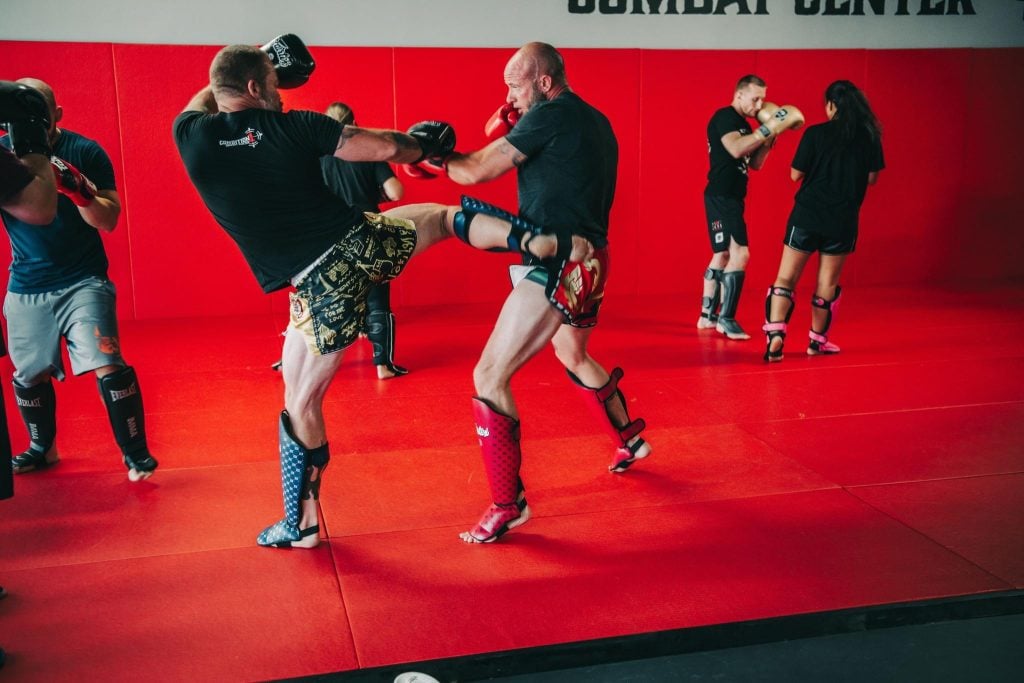
Month 3: You are part of the room. Partners ask to work with you because you are safe and focused. You consider a weekend seminar, or you book a private to polish a rough spot. If your child is training, you hear from a teacher that attention at school has improved. The work you put in starts showing up outside the gym.
Coaching that meets you where you are
Every gym says they welcome beginners. The proof shows up in how coaches teach. At Condition 1 Combat Center, you will see demonstrations from multiple angles, partners practicing slow first, and coaches crossing the room to correct quietly instead of calling people out. Good instructors can unpack a move three ways: a visual demo, a tactile cue, and a one-line metaphor that makes it stick. If a student keeps missing the same detail, a skilled coach alters the drill rather than repeating the same instruction louder.
Beginners learn best with constraints. Want a tighter jab? Put your lead shoulder on a wall and feel the straight line. Trouble posting a hand on a technical stand-up? Start from a higher base and shorten the distance. The right constraint finds the habit your body will keep under stress.
Kids on the mat: what parents actually want to know
Parents have three practical questions: Will my child be safe? Will this help at school and home? Will they stick with it? You can expect mat rules taught every session: bow or handshake at the edge, eyes on coach, space awareness, and courtesy with partners. Coaches keep groups tight and constantly rotate pairs so no child gets stuck.
The classroom effect is real. When kids practice short bursts of focused effort, their attention span widens. They learn to wait for their turn without zoning out, to manage frustration when a skill feels hard, and to give clean effort without theatrics. That behavior travels. I have watched a nine-year-old who could not sit through homework learn to set a timer and attack math problems in rounds because that is how we trained on the mat.
If your schedule is hectic, look at after school martial arts classes. Built-in routine makes the difference, and pickup from a known window keeps families sane.
Adults who have been out of the game
Many adults arrive deconditioned. Knees click, backs bark, and flexibility is a rumor. You can still begin. Coaches scale footwork intensity, reduce impact, and build range of motion slowly. The mistake is to overcompensate on week one. Train at a conversational pace, leave with energy in the tank, and your body will meet you where you are in a month.
Expect some technique humility. A punch that looks powerful on a bag may collapse once you add a partner and distance. That is not a failure, it is a step toward real competence. If you need extra attention, one or two private martial arts classes alongside group sessions can reroute habits fast.
Affordability and value without gimmicks
Beginners often ask about price before anything else, and that is reasonable. Membership models vary by program length and class access. Across the Houston area, quality programs typically fall into a monthly range that reflects professional coaching, facility upkeep, and equipment. If your budget is tight, ask about family plans or limited access tiers. Many schools, including those in Spring TX, offer trial periods so you can evaluate fit before committing. Affordable martial arts classes should not mean cut corners on safety or coaching. Ask how many students are in a typical class, whether new students get extra attention, and how often curriculum rotates. The answers reveal value better than a dollar sign alone.
What progress looks like beyond the mirror
Martial arts progress is sneaky. You notice it when you catch your balance stepping off a curb that would have tripped you last month. You feel it when a hard day https://judahiuem102.brightpathdigest.com/posts/condition-1-combat-center-muay-thai-gym-how-to-wrap-your-hands at work melts faster after training because your brain is practiced at re-centering. Parents see it when siblings argue less and negotiate more because we drill respect for boundaries on the mat.

Skill development also fights the all-or-nothing trap. Missed a class? Not the end. Your progress does not vanish. Show up next session, shake hands, and get your reps. Consistency over intensity, week after week, drives results.
How to choose the right class near you
Search results for martial arts classes near me or Condition 1 Fitness classes in Spring TX will produce options. Visit in person if you can. Watch how the room feels five minutes before class. Are people stretching and talking, or staring at their phones, isolated? Do coaches greet by name? Check the whiteboard or lesson plan for the day. A clear focus beats a random mashup every time.
If your child is joining, ask how they transition beginners. Look for clear partner rotations and coaches who get down to kid height to explain a drill. For adults, ask what the path to light sparring looks like, even if you are not interested yet. A thoughtful progression is a good sign that the program has depth.
Building a beginner’s toolkit
The gear list is short, and the mental list is even shorter. The most useful tools are sleep, hydration, and honest pacing. Add five minutes of mobility before you leave home, not to warm up the gym, but to tell your body training is coming. If time allows, film one or two reps of a new move each week. You will spot improvements you cannot feel in the moment.
When you feel stuck, switch perspective. Work defense only for a round. Mirror your stance and see how your brain reorganizes. Book a weekend session if weekdays keep slipping. Little adjustments keep the routine fresh.
Community is not a buzzword
At a good school, your teammates will look out for you. The blue belt will remind you to tuck your chin, the parent on the edge of the mat will call out when your kid nails a new drill, and the coach will notice when you push through a rough day. When I hear students say they were nervous to return after a break, I tell them it will vanish after the first handshake. Community is not a marketing line. It is how you stay in the game long enough to get good.
Condition 1 Combat Center has that feel. You can sense it in the way classes transition, in the way beginners are brought into the fold, and in the quiet competence of the coaching staff. The website, condition1combat.com, is a simple way to confirm schedules, but the atmosphere you want is on the mat.
Common beginner questions, answered
Do I need to lose weight before I start? No. Training helps you lose weight more safely than crash diets because it builds strength and improves sleep.
What if I have an old injury? Tell your coach. Good programs scale impact and range of motion. Expect modifications and gradual load increases.
How many days per week should I attend? Two days maintain and build steadily. Three days accelerate results. One day keeps the habit alive during busy seasons.
Will I be pressured to spar? Not in a well-run gym. You will be invited only when the coach sees your defense and control are ready, and even then intensity is managed tightly.
Is it weird to start as an adult? Not at all. Adult martial arts classes fill with first-timers. The only awkward part is your imagination before you walk in.
Quick ways to start this week
- Call or message through condition1combat.com and ask for a beginner-friendly slot
- Pick two training days that already fit your schedule and block them on your calendar
- Pack a small gym bag and leave it by the door tonight
- Bring a friend or a family member to lower first-day nerves
- Commit to four sessions before judging how it feels
The first step count that matters
You can scroll through reviews, map routes, and compare schedules across local martial arts classes until your eyes cross. None of that replaces the moment your shoes come off at the edge of the mat. If you need a sign, this is it. Whether you want kids martial arts classes that build focus and resilience, adult sessions that make you stronger in ways that show up outside the gym, or family training that anchors the week, the door is open.
Beginners are not just tolerated at Condition 1 Combat Center, they are expected. Programs prioritize the first-timer experience without dumbing things down, and the coaching culture treats progress as a shared project. Condition 1 Fitness classes in Spring TX, whether group, private, after school, or weekend, give you a place to practice useful skills while building the kind of fitness that lasts.
Step in. Shake hands. Learn one thing well today and come back for another tomorrow. That is how martial arts becomes your normal.